Evenets

Podcast
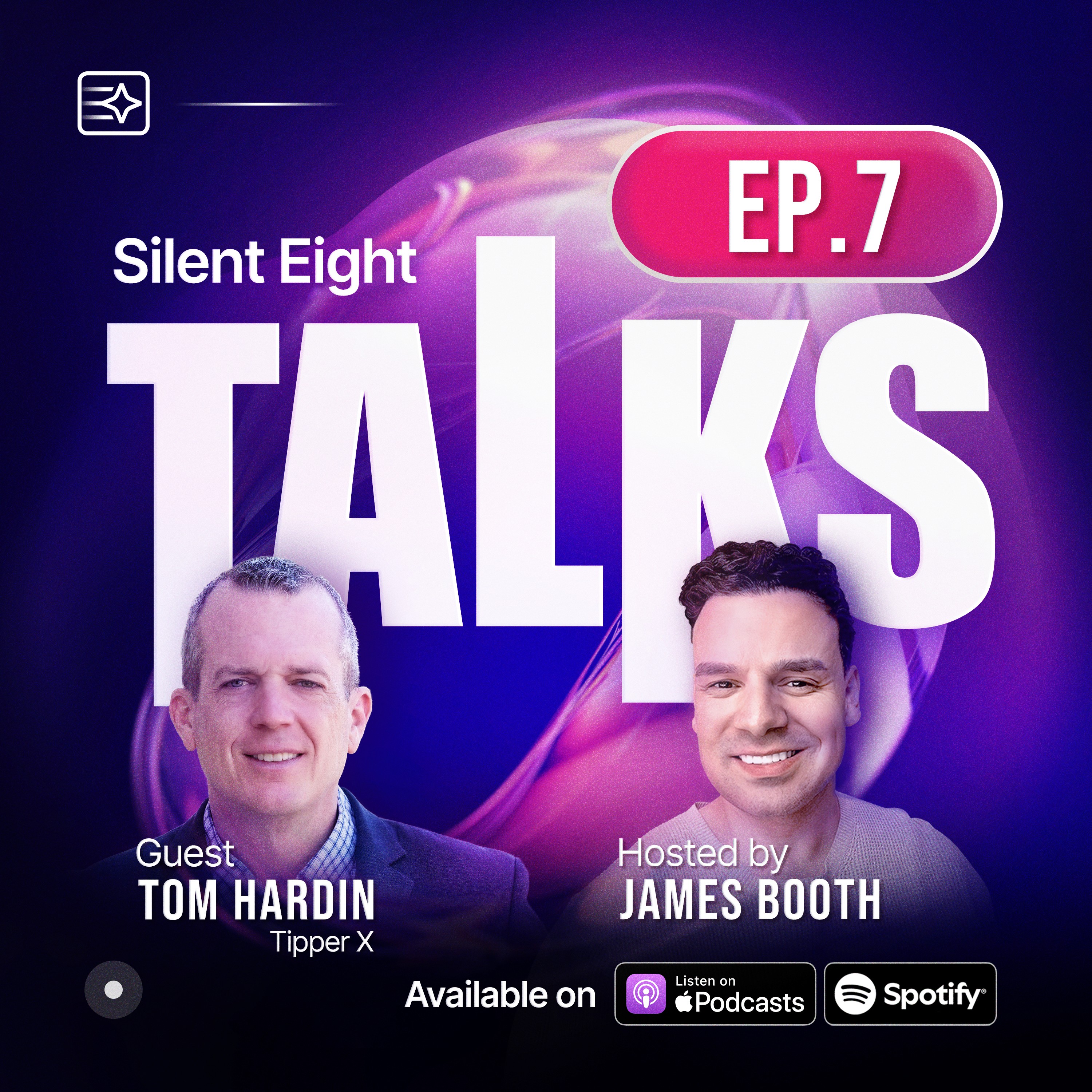
Tipper X - Wired on Wallstreet - The story of an FBI Informant
54 minutes
In this Episode
Join James as he sits down in a Washington DC hotel to talk to Tom Hardin, also known as 'Tipper X'. Tom Hardin is the nationally bestselling author of Wired on Wall Street and one of the most consequential government informants in financial history. Known as "Tipper X," Tom spent years inside the highest levels of Wall Street before cooperating with the Department of Justice to help dismantle a culture of corruption, contributing to more than 20 of the 80+ criminal cases in "Operation Perfect Hedge," the largest insider trading investigation of a generation. His story is not just about fraud; it's about how high-performing people and institutions quietly lose their moral footing. Today, Tom works with leaders around the world to examine the behavioural and cultural forces that drive catastrophic decision-making — and to build organizations where ethics and accountability aren't afterthoughts.
Key Points
Fraud triangle snapped shut when monthly returns replaced long-term goals:
Hardin's hedge fund pivoted from a three-year horizon to "make money every month," and the same boss handed him a lax control letting him take sub-1% positions without sign-off — pressure plus opportunity plus a tip arrived almost simultaneously.Moral licensing let a "good guy" rationalize four insider trades:
Hardin describes building a mental credit account from being a faithful husband, churchgoing Catholic, and legit investor, then debiting it for trades he told himself were immaterial and victimless — a pattern he now teaches compliance teams to listen for in their own people.Compliance must engineer friction so rationalizations get spoken out loud:
Hardin's core fix for firms is attestations, sign-offs, and procedures that force someone to voice their reasoning to another human — decisions made in isolation are where rationalizations survive, and a simple "are you trading on inside information" prompt would have made him stop and think.Where the CCO sits is a leading indicator of culture risk:
If the chief compliance officer has to introduce themselves to the business, sits in a back office, or is told only what they "need to know," Hardin treats it as a red flag — compliance can only protect careers and the firm when it is a C-suite partner rather than a tolerated business-prevention unit.AI should absorb the 95% noise but humans must still own the decision:
Hardin warns firms are outsourcing too much judgement to AI tools — the right model is letting AI clear routine tasks so compliance officers spend time on real risk and role-specific training (not annual one-size-fits-all education) where the latest rules actually meet the job.
Episode Transcription

James Booth Very warm welcome, everybody. A good evening, a good afternoon, or a good day to wherever you are joining us from around the world for this next installment of Silent Eight Talks. I'm James Booth, Global Head of AML, Counterterrorism and Sanctions at Silent Eight, and I have a very, very special guest here with me today. Now, Tom Harding, my guest, wore a wire for the FBI 40 times. 48 times. 48 times, yeah. My note-taking was good, isn't it, Tom? It was good. Tom helped build over 20 of the cases in Operation Perfect Hedge, which we're going to come on and talk about, and it was the biggest insider trading investigation of a generation. Not only is Tom now an author, but he's also a husband, a father, and an ultra-marathoner, which we're going to talk a little bit about as well. But now, one of the most thoughtful voices speaking publicly about how good people made some questionable decisions inside good companies, but we're here to talk about Tom's new book, Wired on Wall Street, and that's going to tell his story for the first time in full. Tom Hardin, welcome to Silent 8 Talks. Thanks for having me, James. It's a pleasure to be here. No, the pleasure's mine. We are, for the listeners that are here, we are going to put a link into Tom's book as well in the episode narrative, and of course, if you're on LinkedIn. Tom, I don't feel like I've done your introduction any justice there. Would you be kind enough to tell our listeners a bit about you?
Tom Hardin Sure. So I'm Tom Hardin. About 17 years ago, during the financial crisis, I was also known as Tipper X. There was a large FBI investigation into the crime of insider trading in the U.S. Eighty one people were arrested. I was one of 32 cooperators. I was the most prolific one helping the FBI build 20 of these 81 cases and never had any plans to share this story. Candidly, I threw my career away at 29 years old. We'll talk about it. The FBI invited me in 2016 to speak about this experience at the FBI. This is of the 81 people they arrested. I was the youngest and I made the least amount of money when they first thought they were running this. I was actually trying not to get caught. And they said, that's the really interesting thing. Why do well-educated, ambitious people cross these lines? For the last 10 years, I've been sharing my story and trying to help out financial services firms and other companies, just how regular people can start crossing lines and what that looks like.
James Booth Tom, thank you. And now, for those people that have listened to the podcast before, do I need to put in an explicit language disclaimer for us? I mean, we are in the shadow of the White House, aren't we? Yeah, we're in the shadow of the White House,
Tom Hardin but we're okay. So whenever, let's roll with it.
James Booth All right, so there might be some colourful language, so I will apologise in advance, probably for me. As our listeners know, I like to sort of ask a few questions just to get to know the real guest, the real Tom, and some of these do catch a few people off guard. So are you ready for that? Are you cool with that? I'm ready, let's do it. Okay, so my favourite, a popular question, actually, second favourite one, is what was the last programme you watched on Netflix? I'll be honest.
Tom Hardin The last programme, I just watched it this week, was Hulk Hogan, True American. The hero on Hulk's Terry Balboa, is his real name. Life is pretty interesting. I don't know if he was, I think he was pretty big around the world, so people have heard of him, but that was a young boy watching wrestling in the 1980s and 1990s, and he was larger than life, still really was, up until his death, so I highly recommend it, it's good.
James Booth As a kid, I'll just add that caveat in, I used to love Hulk Hogan. Obviously, he made some interesting decisions later on in his life, and got involved in some pretty bad things, but that's a good one. Okay, have you got your phone with you, Tom? Yes. Do you use Amazon? I do. Okay, this is the one that catches people out now. If you go to your purchase history, what was the last three things? No, like, blaming your wife or anybody like that. Okay, let's see.
Tom Hardin Oh, so my last purchase was mouth tape for sleeping. My wife has informed me my snoring has gotten worse over the last year, and I'm going to try mouth tape and see if that will save me from going full sleep by the sleep machine.
James Booth That's the best answer we've ever had, because if people pause it at that point, there's going to be all sorts of things that are coming through.
Tom Hardin I asked her, is the mouth tape just for sleeping or all day? She said, just for sleeping for now.
James Booth Mine was Calvin Klein, so that's weird if you put those two together. That's a different podcast. That is a very, very different podcast, but maybe tune in for the next episode. I'll report back if it works.
Tom Hardin The third thing, and this is
James Booth I'm a bit of a fanboy in here, so for people that have watched my webinars, they know I have a bookcase behind my desk at home, and we keep throwing this idea around about having a financial crime book club online. I now have a copy of your book, which I have been reading for the last week or so, and it's kept me very comfortable on flights. I'm going to have to fanboy it, so I'm going to ask you to sign it. I even brought a podcast pen. We'll take the podcast pen. So I have a bit of a collection of financial crime books where I can. I get people to sign
Tom Hardin my book. I'll just say no stock tips. No stock tips.
James Booth No stock tips. But when the Netflix series comes out, we'll look out for this book on eBay. Thanks, Jim. No, no. Thank you, Tom. And for everybody as well. We'll talk more about the book as we move on. However, I highly recommend it. And I think what's really powerful is people that are listening are generally financial crime professionals or leaders. And I know you talk compliance teams all over the world. But what's really got me, Tom, is the raw aspect, the humanitarian impact. And that's the damage. My mantra, if you like, not just my financial crime career, but my life, is would you do something when nobody's watching? And that's about doing the right thing when nobody's looking. But that's not always easy. It's when you're thinking about personal circumstances, you want to move on, you may not know better, that's difficult. So the one thing that really stuck out to me was the personal story that's behind all this. And I'd like to talk about that if you're comfortable. You've told a version of your story to compliance teams all around the world. But what is it, what's part of that story that you still find the hardest to sort of say out loud or talk about to this day?
Tom Hardin The hardest part is really, and I didn't get to this, so for people to know, I was speaking and sharing this story on the stage for about eight or nine years before I started writing the book. And my 45-minute keynote is really just the highlights. I think it's 6,000 words if I were to print it out, and then the book is 82,000 words. So it's quite an endeavor to get the whole story down. And the most challenging part was in 2025, interviewing my wife for the book. Because I had to get her side of how she handled it. Pretty amazing. Anybody who reads the book will just see how she was able to handle it with grace. And I said, Sue, what was it like for you going through all this? And she said, Tom, thanks for asking because you never did. And she was correct. I was so focused on myself. My name was going to be revealed as Tipper X at some point as a SFBI informant. And I felt guilty because I was just thinking about how bad it would be for me in my career. She said, hello, I've been by you this whole time. And it was pretty devastating for me too. Here's some of the stories about when my name became public as Tipper X she had just gone back to work that week. Maternity leave with our first daughter, which is an emotional moment for any working mother going back to the office. And the one time that she really broke down, understandably, was the day my name hit the front page of the Wall Street Journal. And she came home. And by then, we'll get to it, I was a stay-at-home dad with a newborn. And she took the baby from my arms and said, no, I can't believe you did this to us. So I realized my actions had consequences for my wife, my family, my newborn daughter, and something I never considered until I sat down and talked to her, honestly, 16 years later.
James Booth I can tell by talking to you that how much of an impact that must have had. Now, there's a moment in the book where the FBI tells you what they already know about you. Take me to that moment. Where were you? What was said? What changed in your head between the start and the end of that conversation? That must have been a real raw moment.
Tom Hardin Yeah, so they set it up over 2007. There was four trades we'll talk about. I told myself they were small and meaningless on inside information, so I knew I was breaking the law. I would say cheating is a choice. I can blame the culture, the pressure, but really I chose to cheat. It was July of 2008, so maybe nine months after the fourth trade. Out of sight, out of mind. It's the financial crisis, so we're just trying to stay alive at work. So we're back in 08. So July of 2008. I'm leaving my apartment to drop off my dry cleaning in New York City before getting a taxi to the office. I step on the sidewalk. There's a guy behind me that says, are you Thomas Covey Harden? And the last time I heard my full name was my mother back in Georgia. And it wasn't my mom. It was two FBI agents, male and female, just kind of a movie FBI, come sit down with us. So they said, we know about your four trades last year. We know that you were just down in Georgia visiting your baby nephew for his baptism. And I knew his name. And my first thought was, you know, oh my God, my parents are going to kill me. What are they going to say? Oh my gosh, my wife's going to find out she had no idea. This might impact my career. Oh my gosh, I might be going to prison. But the first thought was the family. So I start speaking to the FBI. I tell them a lot of what happened. I'm not even sure what they knew, so I wasn't going to say, oh, I'm going to be quiet, prove it. I knew I crossed the line, so I started talking to them. And then they said, the longer story short, we think you can help us solve these cases. And I said, should I talk to a lawyer? And they said, some combination of, we'll let you know when you can do that, or we'll give you guidance on that. And again, I should have known I could talk to a lawyer that day, but I didn't. People will see, I didn't talk to a lawyer quite some time, so I became, sort of started taking their orders. Doing what they told me. Now again, I chose to cross the line. That's my choice, but then I was pulled into the situation where all of a sudden, they were asking me to wear a wire for them.
James Booth Yeah, and that's where the, forgive my pun here, but that's where the Hollywood aspect of the situation comes in. It's like, wow, is this a real, I mean, I'm reading the book and I'm thinking, this is absolutely what you wear in a wire in front of people that you know, probably loved and respected at some point.
Tom Hardin It's, so it was interesting because I wasn't allowed to tell anybody except my wife about this, so I have this now, meeting with them in New York City on the street was a Tuesday, and I mentioned this, and you can only tell your wife, but I went to talk to a priest at St. Patrick's Cathedral for confession, and I wondered, you know, there was a long line, I wondered how many Hatch Fund guys were in line. You said Patrick's the big one up by Central Park? The big one by... Beautiful. Yeah, it's absolutely beautiful. Just on Fifth Avenue, is that right? Exactly. Yeah, incredible. That's the one, so I had a confession, and then I met with the FBI on Monday, and they had a small piece of metal at lunch, and I was so naive, James, I thought, is that an extra Blackberry battery because we still had Blackberries then, and they must have been looking at me like, this guy is so naive, it's a wire, you're going to have to build this, wear this on people of interest, but the challenge was the woman who had tipped me, I figured out, had worn a wire on me, and the guy I had tipped had worn a wire on me too, so great friends, but basically, could I help them build cases, but it's, I said, well, I know who I feel are the worst actors, but they live in Silicon Valley, they live in other states, they're 48 years old, I'm 29, 30, they're not in my same social circle, but they said, could I build relationships with these people, could I get them into conversations at a coffee shop about my cover story being, you know, I'm a young analyst, probably going to lose my job, it's 2008, try to get them talking about crimes that they committed. That was very sloppy at first, as I wrote in the book, there was no training for this, I was thrown into this situation and couldn't have the hustle.
James Booth That's unthinkable now, culture and training are like the A to Z of all financial crime compliance leadership manuals. And was that sort of, the aspect of the wire always catches me, I'm looking at the cover of the book now, Wired on Wall Street, and I've actually just noticed there is a wire going through the narrative of that. The book talks about the first piece of information that changed hands as feeling almost ordinary. Is that how you remember it? So the first time
Tom Hardin to set the stage for listeners, it's sort of mid-2000s, the hedge fund industry is really growing, and I'm covering tech stocks, and I just start to see or hear about, my competition, just blatantly getting information from tech companies in Silicon Valley, these hedge funds with higher... This is just after the dot-com
James Booth bubble, but before iPhone, is it?
Tom Hardin Yeah, right around the time of the iPhone, 2007.
James Booth That's quite important to know as much. Amazon is mentioned, that's when Amazon was a bit of a fever dream. Exactly.
Tom Hardin Amazon was starting to come along, Google had just gone public, so one of the best ideas I shared in the book, which I never saw come to fruition, was a legit idea to own Google and be short yellow pages, and younger listeners will have no idea what yellow pages are.
James Booth I briefly remember. I saw a book about it on the internet.
Tom Hardin But I also became aware insider trading was rapidly happening. Again, no excuses. I never felt I had to cross that line. So there was one pivotal moment in the book where we lost money in the first quarter of my final hedge fund, and my boss said, now we have to go from investing over a long-term horizon to making money every month. So the goal went from three years of producing returns to now make money every month. And he also gave me a lax control where I could buy a stock in our portfolio, and I would not have to talk to my boss as long as it was less than 1% of the assets we managed. So if you're familiar with the fraud triangle, there was now the need to make money every month for three years. So I focused on those long-term ideas, but I started to look at what can I make money in the short term on. And then the opportunity for me to do that was I could buy this stock in that small position. And eventually I received a tip from another woman who had worked for this billionaire Roger Otten, which I'm sure people are familiar. He's probably the most famous person to be charged later. And she said, you know, long story short, you made me a lot of money over the last few years, some great ideas. I have something for you. And it was a blatant tip, like a public company. She had learned this from her cousin who had a roommate at Moody's, you know, a private equity company is going to buy this company in a few weeks. Here's the dates, here's the price, here's the private equity firm. I knew her up to this point to be full of rumors. Rumors always move stocks, but this sounds more specific. I didn't make any trades that day, but later that day or that week, I shared it with a friend who I'd been talking to. He was down that month. He said, are you hearing anything out there I could make a short-term trade on? I said, you know, at that point, I'm not doing this, but I just received this information. Do what you want. Just pausing right there. I'm sure people are going to like to be charged with insider trading just by sharing this information with them that's not public and I haven't even traded yet. He loads up. He tells his whole firm. The stock starts trading up every day. Call options are going off. I'm starting to tell myself, well, it's probably in the market. The stock's moving up. The information must be out there. I calculated eventually and bought 0.9% position in our portfolio in Kronos. I can tell you that I totally rationalized it. These guys are making millions. I'll just buy a small trade. It went from receiving it, sitting on it, sharing it with a friend. He loads up. It was almost like FOMO. These guys are going to make millions. She's going to make millions. I'm just not going to do anything. By buying a small amount of stock, I almost felt better about myself or that I could convince myself it was okay because these guys are making millions. I would not make millions because then I would feel like a bad guy if I did that.
James Booth You talk about the fraud triangle and I'm sure many of the individuals that work in the fraud space understand what that means. It's the Cressy fraud triangle. You've got pressure, which you had. We'll come back to the culture. I don't want to spoil too much of the book, but essentially you've gone from a business that's got a longer term strategy to shit, we need to start making money now or we're not going to have a job. You've now got the pressure to do that. The opportunity presented itself because you've got the information in your hand and now you're arguing between the pressure of it. But you're also able to rationalize it and you've just rationalized it very honestly there by saying, I'm not going to make millions, so I'm not. It's almost like a justification to yourself, right?
Tom Hardin There's a term I actually found researching the book called moral licensing. It's the same thing where we, anybody builds a credit account for all the good things we do, whether we know we're doing this or not. As I mentioned, I was a faithful husband, which wasn't common on Wall Street, married about Catholic, went to Mass, gave money to charity, did all these good things in my life, was a legit investor. So when these tips came in, I told myself, well, it's only four trades, thousands of trades and all this good stuff I do, that I can debit my big credit account of all these things I do, and it's called moral licensing. So that was a big part of the rationalization. I also told myself, again, the trades were immaterial. They were so small compared to everything else we were doing, what others were doing, and immateriality is that I studied other cases over the years. It's pretty common rationalization, or a boss could say to an employee, what we're asking you to do is really immaterial, or a client could put pressure on you and say, I'm just asking you to sign this. It's really immaterial. And so I would encourage people to listen for that because that's a sign that, okay, maybe you're making decisions that you shouldn't be.
James Booth Control is, I'm sure, something you speak to compliance officers about all the time, but clearly there was also a control failure because where you were given a license essentially to make a decision of a trade-up to a certain value, that still could go through without ratification. So that was almost like the responsibility and accountability debate. You're accountable and responsible now for what you're doing. And actually was what I was going to talk about, and I promise you all this, we didn't practice any of this, did we? But that rationalization, what it actually feels like, and actually your rationalization is you've done so much good in your life. You talked about your conversion to Catholicism to get married. You've done all these good deeds. I can afford one.
Tom Hardin And the victimless part, like, you know, who am I hurting? Especially with insider trading. I'm sure many people say, you know, I'm just buying the stock before everybody else. And then who is the victim? And people say, well, the victim is the person who sold me the stock. But they were going to sell it. Like you tell yourself, they're going to sell it anyways. Or the victim is the company whose information we stole of. And are you really hurting anyone? That's where it really starts to spend. Where I would like to think I wouldn't be capable of a Bernie Madoff Ponzi scheme because I'd be taking your money. But if I'm just buying it before everybody else and it feels like, quote, everybody's doing it and it's immaterial because I'm doing it small, it's almost like the rationalizations were already there in my head. I just had to find them and then start using them and convincing myself it was okay.
James Booth The first word of the book, Wired, is in a book. Was there any rationale for that, by the way, Tom, that Wired was in a red box?
Tom Hardin That's the way I chose the design, but Wiley named the book Wired on Wall Street. I was looking at different colors, so I asked him to do that color, but
James Booth I'm not even sure why we did it that way. I was expecting some glamorous and sexy answer there, but it was just a design thing. But it's the word why that I wanted to talk about. So you wore a waifu, was it two years? For two years, 48 times. So what is something about that experience that no one ever asked you about? Really, I don't
Tom Hardin talk about this much in terms of I talked to a lot of compliance groups today about prevention, but what it was like and I wrote a little bit about this in the book, getting people to actually talk to me about and eventually tell me confess federal crimes they committed. So I have this whole framework of I was very sloppy at first. I'd meet with a target. Nice to meet you. Oh, by the way, those trades you made three years ago, what would you say if you were ever asked why you did that? And of course, the target would look at me and think, why is this guy asking me about federal crimes? And the FBI gave me one. They coached me a little bit. They said, ask the question and say nothing. So the tactical silence. So one of my training engagements coming up is a company reached out to train their sales teams about how to sell because it's silence and my skills as an informant, they felt they could actually be used in sales tactics so I would ask the question and say nothing. So you time the silence and then eventually after several seconds went by, which it feels like several minutes, the target usually after three meetings would say just enough because they could see or they could feel like I was on their side that the FBI would say, okay, you're done here. And I have a whole framework called TRACE and there's also the E part of the acronym TRACE is around elicitation or empathy like, oh yeah, the market's tough. Yeah, I had my sources last year. I'll probably have more sources next year on these deals before they were public. Then how do you guys do it? And so you'd almost make it the A is a lie to normalize. So you try to normalize this behavior even though it's nefarious and then they'd sort of become by the third meeting, which always had to be face to face because if I had wired meetings on the phones, 55% of communication is body language. So you lose it. So we're here at a bar. I can reach your body language for talk on the phone and your target I can't do as well. So the third meeting had to be in person and by then trust was built and then they saw I was empathetic and eventually would say just enough and then the FBI would tell me not good job or bad job. We're done here on to the next
James Booth one. That's a really valuable piece of advice because many people that work in financial crime now Tom as you know they sort of double hat roles and there's always a conversation about compliance teams being cost burden or the business prevention unit and the culture mentality could not be more opposite like a good compliance function if it works properly runs properly can actually help generate business what we find is there is a particularly smaller firms that some of the compliance people are nominated officers are also the people bringing the business through the door so there's a little technique there about when you get in due diligence or you find sales opportunities that silence is
Tom Hardin silence is huge I mean you make your classic you make your offer and say nothing that's a classic sales tactic but as my informant world again there was no training for this years later I met somebody who had worked with CIA agents and he said Tom what you were doing was elicitation with verbal mirroring and he said CIA agents are trained for this as an informant I was just thrown out there and had to
James Booth figure it out. Yeah and you do you're offering training on this now? I am
Tom Hardin yeah it's the trace framework it just started off the book when I sort of formalized this into
James Booth a framework. Okay I mean the why I sort of had a smile there forgive me was the silent bit obviously we're on silent eight talks and I love the name silent eight talks because you're saying silent eight talks but you probably have to be there when I finally figured out that one so moving us on slightly then you I just when I was reading the book and I was on the plane I think the person sitting next to me I was in coach so I was sort of squished up between a few people I kept sort of putting the book down and like slam it down thinking oh my god I was nervous was there a time when you thought shit I'm going to get caught here so the most
Tom Hardin nerve wracking moment of wearing the wire was there's a guy in the book called Mr. Greenwich and he was high up the FBI's list and I probably got in I want to say 15 conversations face to face he would say nothing like my trace tactics were not working he was definitely on to me and I kept thinking shit like this guy he's on he knows I'm wearing a wire one Sunday afternoon he calls me and he says Tom we need to have dinner tonight we need to talk this is a Sunday I called the FBI said this guy Mr. Greenwich wants to have dinner and they got super excited they met me at the train station in Manhattan gave me the recording device which was about an inch or two big so if people can picture like the old Blackberry was that size of the battery for people who had Blackberries. I had the Blackberry
James Booth I mean I thought I looked cool but I probably looked like an idiot
Tom Hardin as long as it wasn't like your hip belt
James Booth oh god I did have one of them but I didn't use it. Statue of limitations
Tom Hardin so it was this thing that fit in my front dress shirt pocket and the FBI was excited they gave it to me and I took the train up from New York to Connecticut and this guy is waiting in his car and he's kind of smirking and I go and get in his car and he says Tom I brought swim trunks for you we're going swimming at my mother's house so that showed the Sopranos I'm sure people know it was in its final season that summer
James Booth the electricity of the battery wouldn't work or shut the battery out yeah exactly and so
Tom Hardin I still played it cool because I was about two years into doing this but it was a they always tell me if I get into a situation where it was just a curveball they could try to just get out of it but I'm in the guy's car and we're driving to this old house in Connecticut and then we walk into this room and he starts disrobing in this room so he wants to see if something was like literally taped in my chest and it was in my front pocket I just excused myself I went to the restroom in his house took the wire out put it in my jeans put these swim trunks on so the two of us were walking onto this pool in his backyard it was so quiet I saw a shovel against the house a hole in the ground I thought is this guy going to try to kill me don't fall yeah and then I saw he was having landscaping done so I got in the swimming pool and then he grabs a tennis ball so we're playing the awkward game of catching the pool two grown men at this pool okay it's dark there's nobody there he's whizzing the tennis ball at me and I'm catching it looking at him and then after a few minutes of freaking me out he said Tom I've been acting kind of weird over the year which I had he said he spoke to a lawyer and he has one question and I have to answer it truthfully I don't know if he's making it up I was going to give it up because I just wanted to go home I said what's your question first and he said have you been approached by the SEC the regulator and truthfully I can say no not the SEC of course it was the FBI he starts making implicating statements he's like alright I just had to make sure you weren't wearing a wire and by the way let me tell you how I get this information so all of a sudden he spills the beans in the pool
James Booth and you've not recalled it
Tom Hardin and so later I came back and told the FBI this is what happened and they were like oh sorry about that but they said we can't use anything because it wasn't recorded and this guy and I shared this in the book I called him Mr. Drenich was never charged never arrested and he was one of the worst actors in this whole investigation because I didn't report it they never got him that was the scariest moment
James Booth he had a spade nearby and you were in a pool it sounds like it wouldn't have
Tom Hardin so my jeans were in the bedroom he didn't have anybody go through my jeans he's definitely on to me wearing a wire but why didn't he think of that
James Booth well it sounds like he maybe didn't think that you were an informant at this point
Tom Hardin I guess he must have talked to a lawyer and said the guy's wired up and he had this creative idea I'll see if he's wearing a wire by inviting him I'm just guessing
James Booth forgive me if this is maybe a difficult question to ask I won't be offended if you say no did you sense a right and wrong shift when you were cooperating because of the moral dilemma the emotional dilemma the pressure you were under
Tom Hardin it's almost like how did I rationalize the trades across the line there was also a rationalization as to how I became a reformist because I could have told the FBI I'm not doing this for the four trades you can sentence me for whatever I did the way I thought about this and there's definitely mixed feedback on this from readers is they're going after all these people and they wanted also two people who I had tipped on the first trade who I just thought were good men they were close friends I called them Peter and Todd in the book and so I tried to keep Peter and Todd out of the crosshairs by helping them who I thought were the worst actors but who knows I mean these people they traded these stocks they shouldn't have but they might also be decent people so I was of two minds do I do this or not but I just felt like above all else I want to protect Peter and Todd and if I can bring them who I do feel are the worst actors in the industry then I feel okay about doing it but again it was not easy like okay I'm going to do this and I didn't feel like some people have written oh you're a rat I didn't feel like a rat because I was building relationships with people who I felt were the worst and so I know we talked before this about whistleblowing like I wasn't a whistleblower but I also was in a weird situation where if I could read the worst actors maybe it will spare Peter and Todd and when they finally got to me wearing a wire 48 times and I finally had a lawyer they still wanted Peter and Todd and I felt I had to draw the line there there was sort of a code I couldn't break with these guys because I knew them well and then the FBI said we're done with you, your name's coming out tomorrow, so that was the story
James Booth earlier. That day must be a day that's etched in your mind take me through it, the day that your name became public. So it was a Tuesday
Tom Hardin afternoon so it was going to be on the newspaper websites that night and so the stock market closed around 4 o'clock around 4.30, Tipper X's Tom Hardin is on the WallStreetJournal.com and the New York Times, NYTimes.com and so I'm reading it and literally I think it was within 30 minutes there was a massive earthquake in Haiti. So the whole news cycle, so I was preparing for this whole news cycle the next day to be about Tipper X's Tom Hardin it was still in the news and it was subsumed by this awful tragedy in Haiti and I certainly didn't feel it was, again, there had to be this massive tragedy for my story to not be 24 hour news on the news cycle it was, but it wasn't as big as it was so I almost felt guilty in a way that oh my gosh, I was kind of saved by so much of the news cycle that there was this massive tragedy happening
James Booth yeah, that's a psychological battering ram, isn't it? because you're like, it's protecting me, but it's awful and there's that back and forth, that's really honest and candid
Tom Hardin because it was on the front page online for about 32 minutes and it wasn't even, you couldn't even you'd have to search my name to find it to tell about the Haitian earthquake but it was still on the printed paper the next day and that's when that was the worst day when my wife had to deal with that at work and she had to explain to her colleagues who had no idea for almost two years she had to tell white lies because she was the only person to know about this, my parents didn't, her parents didn't and I was out of work for at least a year, oh Tom how's the job search going, well not well because it's the financial crisis, well actually it's not well because I'm an FBI informant but I can't tell anybody so she had to be part of this with me and she was kind of my psychiatrist through this, I never saw, I never got professional help and so when it became public that she had to explain it to her colleagues and then there were some reporters at her house just that the emotional toll of that understandably she broke down and that was the worst day of my life it was worse than the FBI approaching me when I just saw my actions impacted her and my newborn daughter it doesn't get much more worse than that
James Booth I mean I can't and these are probably the parts of the book when I was going through it on the flight where I'm taking a moment and I'm having to pause and think because this is the side of compliance or financial crime prevention or the damage that this just causes is the people around you that you love and it sounds like that was probably the lowest moment of the whole situation
Tom Hardin she would walk to take the bus and train to work and even she's walking up our street people are now looking at her you know they're pulling in their garbage they're not making eye contact she had nothing to do with this other than being married to me so yeah so
James Booth we've hit the lowest point but the rebuild starts very very very slowly I mean you can't it sounds like it couldn't have got worse took three thematics out of the forgive that terminology the rebuild but it felt like that once you'd been the informant the damage had been done and now it was a case of how are you going to start to rebuild your life there's three things I took out of the rebuild phase fatherhood ultra marathons and service so why those three not therapy or your faith or a new career why those fatherhood
Tom Hardin ultra marathons and service again to my wife's credit you know I was a stay-at-home dad with our first child and then we had our second daughter we just decided to go through with our full-on family plan that she had had you know when she turned 30 we're going to start the family yeah and so I was a stay-at-home dad and she just said be the best stay-at-home dad you can be and I wish I had taken more pride in that role like any stay-at-home parents like the best years you have with your kids but I just felt like you know I went to this great business school I had this great career now I went through this important journey now I'm just like so full of shame like I'm not worthy as a person and even as I was writing the book I was trying to remember the great stories when I was in this phase if I was so clouded by just my own feeling of having no self-worth but then I eventually started taking on the role like I became a very good cook you know would take the kids to my girls to play groups so now you were
James Booth teaming with your wife you're making lovely meals
Tom Hardin yeah making meals at home like doing the best like she said be the best stay-at-home dad you can so any stay-at-home parent will know sometimes your whole day is just picking up things from the kitchen table to the door like that's your whole day yeah but you're you know you're in service of the little kids and then she encouraged me so she saw I was checking out a lot of self-help books from the library and self-help books like did not help me because that made me think about myself
James Booth what year was this around?
Tom Hardin so this would have been so my name became public 2010 so this was 2010, 2011, 2012 yeah and she's like instead of thinking about yourself why don't you go be of service for other people and start going to our church at night and work with the committee who was actually doing a clothing drive for the victims of the Haitian earthquake so it came back to that story wow that's a beautiful moment me walking into church this guy Greg giving me a clipboard and he's not saying oh it's Tipper X he doesn't care, he's like I'm here to help here's a clipboard you can help and so being of service and for anybody going through something tough once you start serving people who are in a worse situation you get perspective and that actually helped me and then I was having trouble carrying my daughter up the stairs one day and I was technically obese and went to the doctor and he told me I was obese and that wasn't going to be good for me and again my wife steps in and signs me up for a 5k and once I completed the race I started training for half marathons and marathons and something called ultra marathons and what that did is it gave me a reason to set my alarm every day because I had to get my training runs in and it gave me structure as far as finding work that was a non-starter with a felony conviction it's almost like the white collar conviction is worse because I was born to a great family there was no reasons about me being born in a terrible situation like I was born in a really good family middle class hard worker knew that I shouldn't have done that and it's sort of like there's not much forgiveness around that so applying for jobs to be a non-starter but I could run and I got really into it but I got so into it that I was running like a hundred mile races and running twice a day that I was almost using running sort of as an addiction or something that I can do use as a crutch to not have to deal with my professional future so when Sue came home from work how's the job search going oh I have to go for a run that way I wouldn't have to have that conversation with her
James Booth it was your coping mechanism so I want to come back to this in just a second because being totally candid I can understand why you want an escape and some people may lean on alcohol or substance abuse but running 100 mile races is another level I'll praise it on I'll come back to that but the reason I asked about the years and this is like bloke to bloke we're sat here having a beer having a chat men's mental health at that point I don't think was really nobody gave a shit to be honest and it's only the last couple of years where it really has I as I'm sure some of the listeners know I spent a few years as an ambassador and working as a volunteer for a men's mental health charity in the UK and it was really just the mantra behind that was don't man up speak up and when you're in that environment where people are having dark thoughts feel like the words are they can't speak up for that some men go off and commit suicide and it's the biggest killer of men under 50 I think in the western hemisphere so it's quite refreshing to hear that people are still wanting to talk about men's mental health but I want to come back to this 100 mile race thing because that's bloody mental and actually you've sort of alluded to it that you use that as a crutch to avoid difficult conversations what was going through your mind because I hate running if I do 5 or 10k my mind is my worst enemy what was going through
Tom Hardin it was almost like I wanted to stretch the distance as far as I could to feel I wanted to feel pain it was almost like self flagellation you know as a catholic there's dependence and it's almost like let me just keep running marathon and then 50 miles and 100 miles and maybe 100 miles maybe everything will break down and I'll feel the pain I deserve it was really most dark thoughts around it so I started for this and it was also this 100 mile race was around a 1 mile loop so you're looping over and over and over it's not even point to point where there's some nice scenery or something to stop and take pictures nothing like that but it was more about dark thoughts but also I really in a way became addicted to putting myself in uncomfortable situations because I learned a lot from that and maybe it started from my FBI informant days and it was something that ultra marathons did for me like you don't know what's going to happen to your body at mile 78 or 100 mile race it can be okay it can not be okay but it's all mental so I wanted that challenge but more so than anything it was about let me just have some physical punishment yeah and that's
James Booth I really respect you that you're open about that because I've heard lots of answers about people doing physical challenges mental aspects of it but you wanted to just be punished you felt like I'm a fucker for this I deserve
Tom Hardin to be yeah if anything happens my body did start breaking down I shared a story in the book about at mile 78 of this 100 mile race where I was dealing with rhabdomyosis which you'll see the details in the
James Booth book yeah I was going to mention that but I do want to save some stuff for people and again just remind everyone that link is going to be in the Apple and Spotify as well as the LinkedIn post as well so the redemption we're all sort of through that redemption journey now and there's a point has arrived in your career where training is now becoming an area of your passion so I know you walk into a lot of banks and people can get you involved in training through the website cprex.com so let's talk come back to culture because we spoke earlier on about this crescent triangle the rationalisation the business has just moved from we've got a two to three year plan for growth then all of a sudden it's like make money now or there is not going to be us in 12 months time and that might be something that a lot of people that work in financial institutions resonate with when you walk into an institution how quickly can you tell whether or not that culture, forgive me, runs the risk of producing another situation that you found yourself in or actually this is healthy, it's organic and the treat compliance is a priority
Tom Hardin To the point of compliance, I've had a few training engagements so to back up 2016 the FBI invited me to speak about my case and I had no plans to ever do this, I was really ashamed as I mentioned, self-flagellation not in a good headspace and when I spoke with the FBI they said basically look you can go share this story and help people or you can not share it like most people would do and it doesn't help anybody so the FBI actually stopped me after the fourth trade and put me on this path so now when I walk into companies a few times I've had the compliance bring me in and the compliance officer has to introduce themselves to the business which that's a major red flag to me if the business doesn't even know who you are or you're working in a different office in the business it's just like how do you even know what's happening or how do you have the respect etc how are you not just a support function so I think that's important to see like I asked physically where do the chief compliance officers sit the CCO is a C-suite executive and so they should have C-suite status and if you're still you know in the back by the toilet or something in your office it's not good you don't really have the respect so just physically seeing where they sit is important also how they're used are they viewed as just in the way of business like business prevention or what I saw today is compliance is the chief kind of the chief career protector of people's careers but they can't help the business or give advice unless they know what the business is going through fully and across financial services even today there's still a challenge where the business will only tell compliance what compliance needs to know and I think that's a bad framework because that only means then if things go bad the compliance officer will be with that person in prison. It doesn't help.
James Booth This is like a fundamental failing of the three-liner defence model isn't it? And there's one thing that I want to sort of go slightly off piste in a moment because we spoke about this and the analogies around, I have to say it because I'm starting in Washington DC but forgive me British audience soccer. I think of the three line of defense like a soccer lineup. You've got your attack or your first line. They're out there to bring in the business but they're the people that want the glory, right? They want the money. They want the naming lights. You've got the second line, your midfield or your compliance team sit across the background like Marshall. Then you've got your third line, your audit which acts as the defense and if anybody is looking at a graphic of a team, the weakness is where the gaps are and you target where the weak people are and I always think of an effective three line defense model being versatile so if you're coming up against a really good team and I would say a team like Leeds United that's going to mean nothing to most people that are listening to this or get me cancelled one of them, that team will evolve around that but where I wanted to go slightly off piece of this because in the opening couple of pages of the book, this took me totally by surprise you wanted to be a soccer referee so I asked you before this and maybe you've had time to reflect but you don't support anybody do you, you weren't like a Premier League fan or? No well this is going back
Tom Hardin you know the 1980s and 1990s so as a child I was a very ambitious kid I shared this story, I read the entire Encyclopedias over two years so I was absolutely dominating and quizzable in school
James Booth and your brother would used to come and sit on your bed and question you and tell me something yeah? Yeah I would just
Tom Hardin tell my younger brother everything he needs to know so he ended up going to Harvard, the top school in the country and I take credit for that but I wanted to work when I was 12 years old and the only thing I could really do was be a soccer referee at the minimum age of 12 and I was studying my butt off for this exam you know all the obscure handball rules everything and I got the highest score in the class and my dad said how'd you do it? I don't know I just paid attention and so it was more about like how could I make money when I was 12 rather than mowing lawns like doing this
James Booth Even growing up in the UK Tom nobody grew up wanting to be a soccer referee and I won't ruin the story but there's a particular incident that you were heckled on another level and this is coming from a British soccer fan but I'm not going to ruin the book so please read it but I was caught by that but coming back to this aspect around compliance functions and we alluded to that three line defence, how do you think that a compliance function or a business itself can become more effective at actually stopping what happened to you or what you did or an organisation being targeted by a criminal organisation to launder money? Yeah it has to be
Tom Hardin I think the process to your point compliance has to be just more into the they have to understand where they can where there needs to be like friction in the decision making process or how you can we mentioned the opportunity in the last control at my company was I could buy these stocks and like there was no friction at all there was no even attestation like are you not trading on inside information like there was nothing you even had to check like maybe I would have gone buy that control but I would have at least had to think about it so I think any type of friction if compliance can analyse for decision making and put in friction into the main decision making processes so that we don't have decisions made in isolation like if you have to actually voice your rationalisations out loud you can't rationalise them anymore because somebody else is hearing them and whether that's talking to compliance or having procedures for that I think that's important and also again saying to the business please come to me what you're dealing with and maybe I'll have to say no but I'm going to at least get you an answer and again dropping this idea of being business prevention and being more of a partner to the success of the business reputationally and everything and the three lines of defense I'm not sure if it really works because the first line kind of feels a little bit isolated sometimes or like compliance is going to catch us let's just go go go and compliance will catch us if we're doing anything wrong and it's like the wrong way to think about it. Yeah it's an interesting
James Booth perspective because I'm not sure I would necessarily agree that it doesn't work I think it creates a standard I think the challenge becomes is this lack of communication in fact I like you I've delivered countless hours of training over my career the one thing that always crops up is where does the three line of defence fail always communication yeah that's true always communication and that's why I like my soccer analogy because that is all about communication or seeing where the gaps are going to be so you've been inside lots of organisations you still continue to do so you're speaking at Compliance Week here in DC at the moment it feels like we're a little bit of a crossroads as a team of compliance officers globally I'll brand us all within that it feels like that we have so much weight on our shoulders we have to have depth of knowledge as well as breadth of knowledge as well and that's difficult because you cannot be a subject matter expert which is an overused term anyway in my view so where do you see this crossroads that we're at with technology so the likes of AI technology how do you think that can support compliance officers financial crime fighters all around
Tom Hardin the world yeah no it's like you have to be so a couple things with that some of the new you know AI tools are I mean they're all pretty they're really amazing so you have to have you know develop expertise and those how are you going to use them but you also can't get too I think wedded to those because we still have to have humans again making decisions so what happens I think sometimes is now we're using AI so much that like who's actually making the decisions yeah and I think that's like we have to make sure that we're using these tools and they're amazing like to take tasks off our plate but we still ultimately need to be making these decisions as humans yeah and I worry that sometimes we're outsourcing more of that decision making and they're great about taking tasks like there was one article about more compliance officers being on with AI like no they won't and like any job certain tasks will be done by AI but then there's going to be more tasks you're taking on as a human yeah and
James Booth I think there's an element of truth to that I think most compliance officers will recognize that they are so bogged down by rubbish 95% of their actual day I think what they need to that's where AI becomes really powerful because it takes care of all that noise so when we come back to you know you're being drafted into an organization you're delivering top quality training to a very niche issue the real risk of where we've been in the past is that that just kind of dissolves into the that was a really amazing training session but I can't really use it whereas now that training becomes effective because their resource is being used where the risk is higher so they can look back and think I remember the training I had with Tom or James and I can now deploy this because I'm now actually dealing with proper risk
Tom Hardin and the training so it's a good point the training so compliance training and compliance education often get conflated where compliance education and I'm sure people have seen this where here's the rules and regs and you're telling it to everybody in every function it doesn't work like the annual training so a lot of firms still do this like right right and so here's everything to everybody in the room and I'm often invited to speak at these things so I don't want to hurt what I do but it's really that great like it's sort of like education is one thing but training is really here's the latest rules of the reg and here's how it applies to your function to your point and your job and that's it like they don't need education to every employee in the company and a lot of companies still set it up but maybe
James Booth well no you're right everybody needs education what people need are the competencies and that's where like this training really adds the value so look conscious that we we promise we're going to grab a beer before your other commitments this evening what do you hope Tom that somebody listening to this conversation who is right now in the middle of rationalizing something that they shouldn't what do you hope that they take away from this next 60 seconds with you right now takes
Tom Hardin 24 hours to think about your decision so that's always good and before you're even in the moment of rationalization or in that going left or going right develop a plan as to what you're going to do when the pressure comes and so you have a plan before it happens because whatever career you're in you're going to have pressure you're going to have shortcuts you can take and you're going to get pressure from your boss or clients whatever but have a plan going in don't just be in there alone making decisions in isolation and that's sort of the cautionary tale aspect of this and then for many people have reached out that have read the book or going through their own version of a trauma that's self-inflicted maybe not a crime like mine but you have to accept responsibility and you mentioned earlier mental health like you have to reach out to people and get help like I wish I had reached out to people years before this whole shame spiral went on with me and you have to be able to forgive yourself that's that's the hardest part that's even for me self-forgiveness is much better but some leaps are better than others
James Booth Tom sincerely thank you I do want to plug the book of course I've had the privilege of reading I now have a signed copy that's going to sit on my bookshelf proudly but Wild on Wall Street the rise and fall of Tipper X one of the FBI's most prolific informants available I mean I got my copy on Amazon all good bookstores TipperX.com as well and of course for your any speaking material or training go to TipperX.com as well Tom thank you so much for joining us and hopefully our paths will cross
Tom Hardin again in the future. Pleasure, thank you.